All Categories
Featured
Table of Contents
It also resolves thatch problems by producing a great environment for microbes that degrade thatch. Core aerators are available for leasing at lots of hardware shops and equipment providers. Usage self-propelled units with vertically running branches when possible; tines installed on drum rollers are less reliable due to the fact that they pull shallower cores.
Two to four passes with the core aerator are adequate. Yard Aeration and Topdressing explains equipment options and method in greater information. Successfully growing turfgrass in the shade can be hard. Turfgrass plants are naturally adapted to grow in full sun to partial shade. Heavily shaded yard often thins or dies, permitting invasion by moss, algae, and shade-loving weeds such as wood violet (Viola spp.) and Creeping Charlie (Glechoma hederacea).
For best outcomes, plant mixes consisting of at least 50% great fescues for dry, shaded conditions. For moist, shaded conditions plant mixtures with at least 10% supina bluegrass (P. supina).
Apply fertilizer at the exact same time as for turf in warm locations but cut the rate in half. Using the complete rate on shaded grass temporarily increases leaf growth and avoids energetic root growth; ultimately the grass dies as the root system can no longer deliver sufficient water and nutrients to the leaves.
Adjusting Regional Turf Care to Weather AdaptationResearch study reveals the leaves can be mulched into the lawn without damaging the yard, as long as the blades of turf stay 12 inches above the mulched tree leaves. For some locations, shade-tolerant groundcovers or mulches may be a much better choice than turfgrass.
Adjusting Regional Turf Care to Weather Adaptation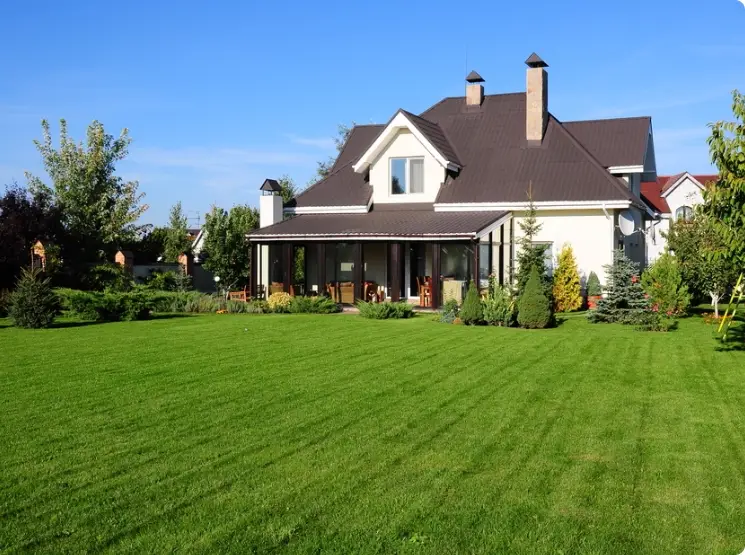
2026 Residential Maintenance Innovations for Local Properties
They invade wherever turf is weak or thin. Good cultural management practices (mowing, fertilization, and watering) will motivate growth of dense, healthy grass and crowd out and prevent weeds. In fact, with proper mowing and timely fertilization alone you can avoid in between 70 and 90% of all weed problems. Herbicides ought to be used just as a last hope to suppress a weed problem.
When integrated with good management practices, a herbicide application might just be required every several years. Select an herbicide based upon its ability to manage the target weed(s). Factors to consider consist of the kind of weed and the life cycle of the weed (annual, biennial, or seasonal). Ensure you have the proper application equipment.
Other herbicides are packaged to be applied using a garden hose. Do not purchase more herbicide than you will use within 1 year.
If you prepare to overseed, follow the directions on the label to make sure the herbicide application does not avoid germination of the seed. Lots of herbicides specify for only certain types of weeds; these are termed selective herbicides. Nonselective herbicides (e.g., Roundup, Kleenup) will kill any plant that soaks up the herbicide.
Top Residential Garden Service Plans for 2026
Weeds are categorized as yards, sedges, or broadleaves. A lot of herbicides manage just weedy lawns or broadleaf weeds, not both. Read the label on the herbicide container to figure out if the item will control the type(s) of weeds in your grass. Common grassy weeds in grass consist of crabgrass, foxtail, and quackgrass.
Pre-emergent herbicides are utilized to control weeds before they are noticeable, normally in early spring. Preemergent herbicides are utilized mainly for control of annual weeds (weeds that live just 1 year) such as crabgrass.
Weed and feed products include both an herbicide and a fertilizer. The herbicide might be for either pre-emergent or post-emergent weed control. Due to the fact that these products consist of an herbicide they must be kept and handled with the very same level of care as any pesticide. Weed and feed products are attractive since it appears as if both weed control and fertility requirements can be achieved with one application.
Optimizing Local Lawn Practices to New Environmental Standards
The post-emergent products frequently fail to sufficiently control weeds since the weeds soak up too little of the herbicide. When essential, utilize stand-alone preemergent herbicides to prevent invasions of yearly weeds such as crabgrass.

Latest Posts
Essential Tips for Seasonal Garden Care
Tips to Find Elite Contractors in Our Neighborhood
New Regional Guidelines for Sustainable Garden Care